Journal | Destinations
Finding Your Perfect Greek Island
From the romance of Santorini and the glamour of Mykonos to the quiet villages of Sifnos and the family-friendly shores of Crete, discover which Greek island suits your style of escape
Published:
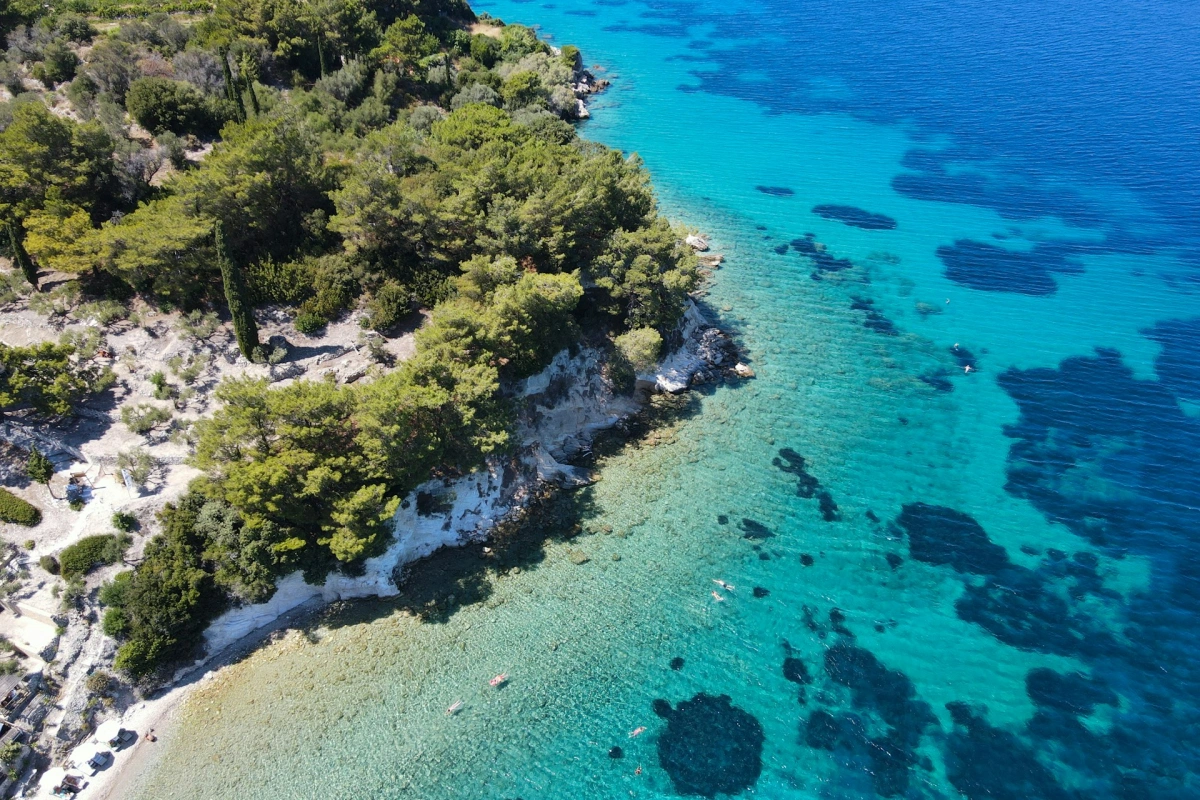
Choosing a Greek island sounds wonderfully simple until you begin exploring the possibilities. There are hundreds of islands scattered across the Aegean and Ionian seas, each with its own character, landscapes and traditions. Some are celebrated for their beautiful beaches and luxurious hotels, others for their remarkable food, historic towns or the pleasure of escaping somewhere that still feels wonderfully removed from the modern world.
The familiar names remain popular for good reason. Santorini offers extraordinary caldera views and some of Greece's most romantic hotels, while Mykonos combines glamorous beach clubs with a surprisingly peaceful countryside. Crete is almost a destination in itself, with enough variety to fill several holidays. Yet beyond these celebrated islands lies another Greece, where fishing boats gather in small harbours, traditional tavernas overlook quiet bays and village life continues much as it has for generations.
The secret to choosing well is understanding what you want from your time away. A couple seeking a romantic hideaway may fall in love with Sifnos or Folegandros, while families might prefer the sandy beaches and extensive facilities of Crete or Kefalonia. For food lovers, culture enthusiasts and travellers who enjoy discovering somewhere different, the choices become even more interesting.
Here are twelve Greek islands worth considering, each offering its own interpretation of a memorable Mediterranean escape.
Paros – Beautiful Beaches and Lively Villages
Paros has become one of the Cyclades' most desirable destinations, combining traditional island charm with an increasingly sophisticated collection of boutique hotels, restaurants and beach clubs. Although comparisons with neighbouring Mykonos are inevitable, Paros retains a more relaxed personality, particularly away from its busiest summer resorts.
Naoussa is the island's most fashionable village, a picturesque collection of whitewashed houses, narrow lanes and waterfront restaurants gathered around a small fishing harbour. During the day, visitors browse independent boutiques and settle into cafés overlooking the water. As evening approaches, the harbour becomes a lively meeting place, with tables filling beneath the lights and conversations continuing well into the night.
For a quieter experience, explore the southern coastline around Aliki and Drios. These traditional villages offer sheltered beaches, excellent seafood tavernas and a gentler pace of life. Inland, Lefkes provides a completely different perspective, with beautiful Cycladic architecture, peaceful lanes and views across the surrounding countryside.
Paros is also particularly appealing for beach lovers. Golden Beach is known for its watersports, while Kolymbithres attracts visitors with its unusual granite formations and small sandy coves. Santa Maria offers another beautiful stretch of coastline, with clear waters and a lively summer atmosphere.
Where to stay depends largely on the experience you're seeking. Naoussa is ideal for couples who enjoy walking to restaurants and bars, while the east and south coasts offer a more peaceful selection of beachfront hotels and intimate retreats. Paros works beautifully for travellers who want a little of everything without the intensity of Mykonos.
Sifnos – A Greek Island for Food Lovers
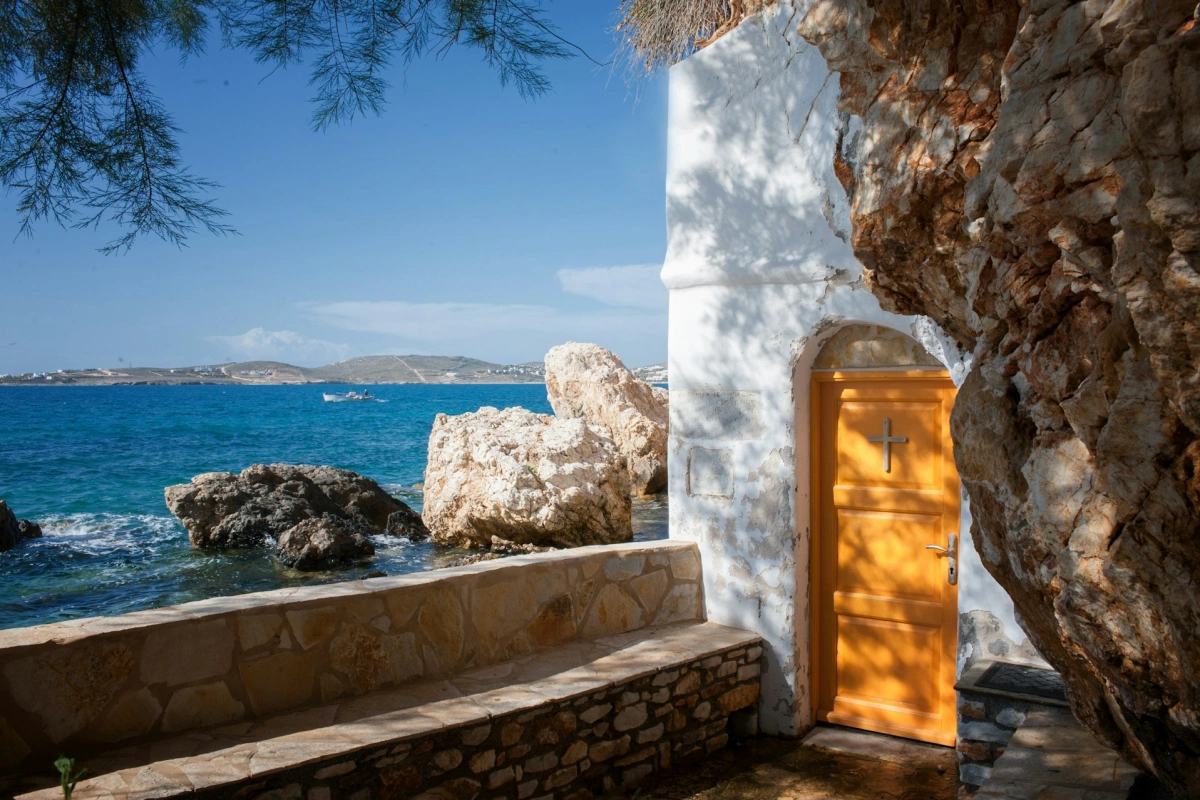
Sifnos has long been cherished by Greeks for its excellent food, traditional villages and understated elegance. Although its reputation is gradually spreading beyond Greece, the island has retained much of the authenticity that makes it so appealing. There are no sprawling resort developments or extravagant nightlife districts here. Instead, the pleasures are simpler and often revolve around the table.
The island's culinary heritage is closely associated with Nikolaos Tselementes, the influential Greek chef and cookbook author who was born on Sifnos. Traditional dishes remain central to local life, particularly revithada, a slow-cooked chickpea stew prepared in earthenware pots, and mastelo, tender lamb cooked with wine and herbs.
Pottery is another important part of the island's identity. Workshops continue to produce the distinctive ceramic cooking vessels used in traditional kitchens, alongside beautiful handmade pieces that make wonderful souvenirs.
Apollonia, the island's capital, is a delightful place to spend an evening, with whitewashed lanes connecting small restaurants, boutiques and lively bars. Nearby Artemonas offers elegant traditional houses and a quieter atmosphere, while the medieval settlement of Kastro is one of the most atmospheric places in the Cyclades.
Along the coast, Platis Gialos and Vathy provide lovely sandy beaches and waterfront tavernas, while Faros and Cheronissos retain the character of traditional fishing villages. Long lunches of freshly caught seafood are an essential part of the experience.
Sifnos is particularly well suited to couples and independent travellers seeking intimate boutique accommodation. Stay around Platis Gialos for beach access, Apollonia for restaurants and village life or Vathy for a more secluded coastal escape. With no airport, arrival is by ferry, adding to the wonderful sense of leaving everyday life behind.
Syros – Culture, Architecture and Island Life
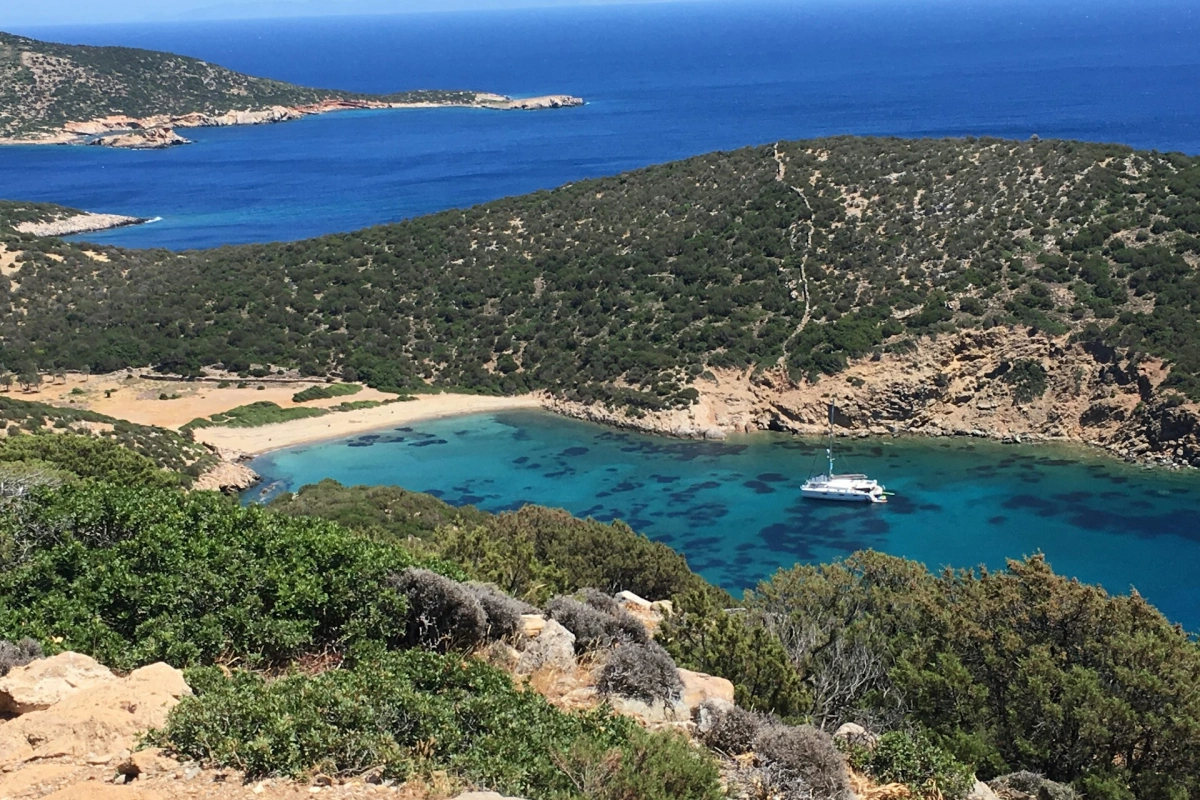
Syros feels noticeably different from its Cycladic neighbours. Rather than relying primarily on summer tourism, it is a working island with a thriving year-round community, an impressive cultural heritage and one of the most beautiful towns in Greece.
Ermoupoli, the island's capital, is an extraordinary collection of neoclassical mansions, marble squares, colourful buildings and grand public architecture. Its elegant streets feel closer to a small Mediterranean city than a traditional Cycladic village, reflecting the prosperity of the island during the nineteenth century.
The magnificent Town Hall dominates Miaouli Square, while the Apollo Theatre and the imposing Church of Agios Nikolaos are among the town's architectural highlights. Above the waterfront, the historic district of Vaporia is particularly beautiful, with elegant mansions overlooking the sea.
Climbing the hill behind Ermoupoli brings you to Ano Syros, a medieval settlement of narrow passageways, traditional houses and wonderful views. Its distinctly different character reflects the island's fascinating mixture of Greek Orthodox and Catholic traditions.
Syros also has a lively cultural calendar, with music, theatre, film and arts events contributing to its reputation as one of the intellectual centres of the Cyclades. Restaurants and cafés remain active beyond the main summer season, making it an appealing destination in spring and autumn.
Although beaches aren't the island's greatest attraction, Galissas, Kini and Agathopes offer pleasant places to swim and relax. For accommodation, Ermoupoli is the obvious choice for visitors who appreciate architecture, dining and culture, with beautiful boutique hotels occupying restored historic buildings. Coastal resorts are better suited to those wanting a more traditional beach holiday.
Folegandros – Rugged Beauty and Quiet Romance
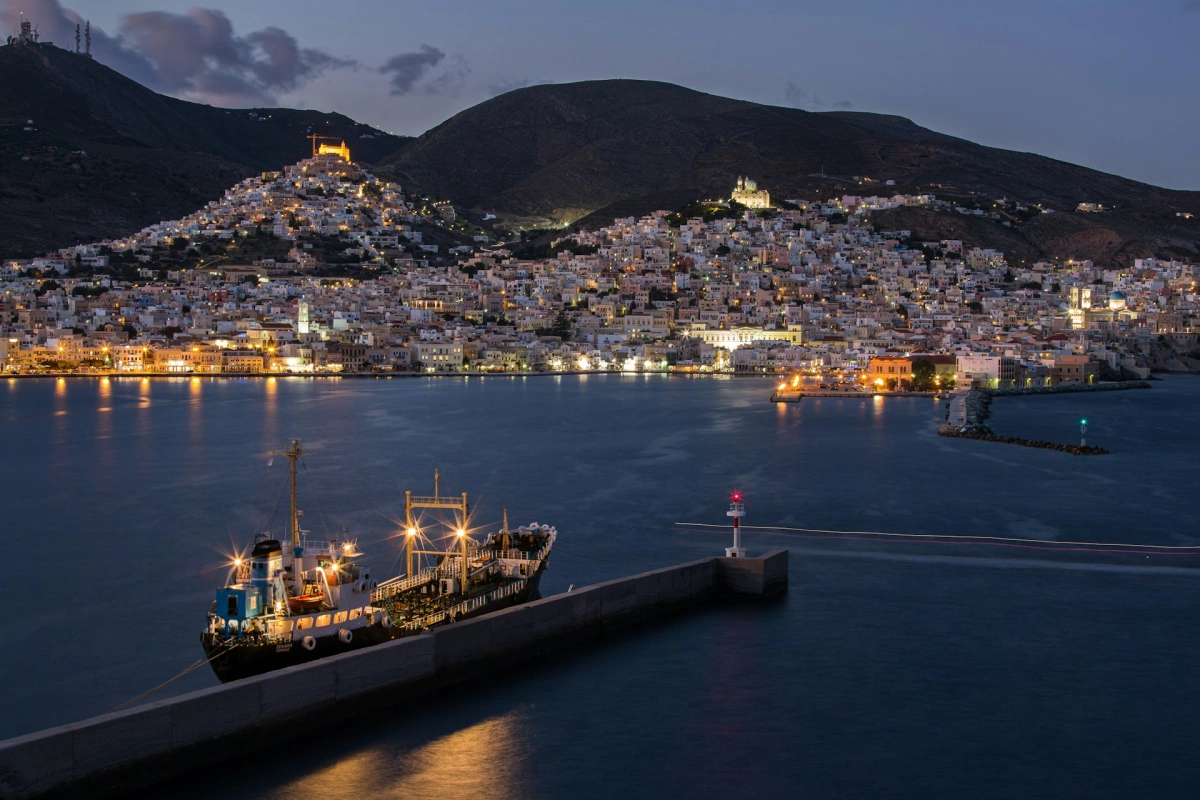
There is something wonderfully captivating about Folegandros. Its dramatic cliffs, rocky landscapes and beautifully preserved villages create an atmosphere that feels a world away from the busier Cycladic islands. Despite growing international interest, it remains a place where simplicity and natural beauty take precedence over elaborate attractions.
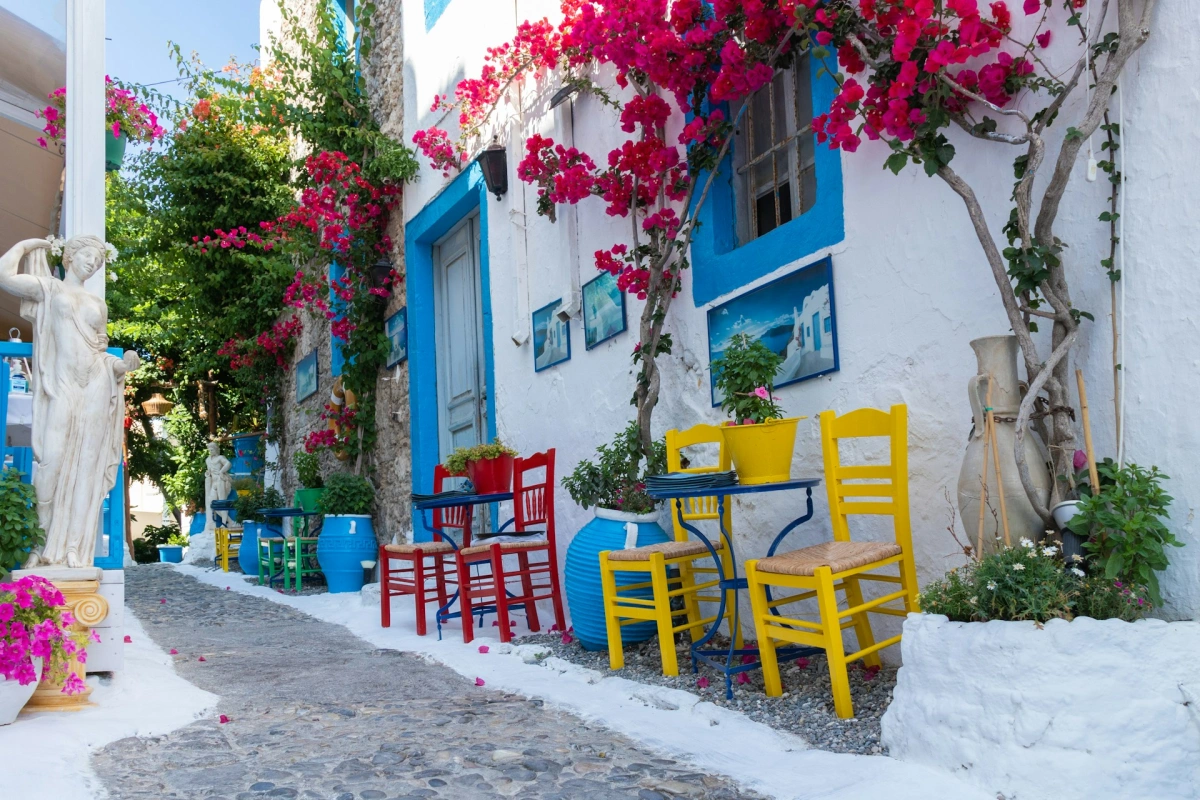
The island's greatest treasure is Chora, a remarkably beautiful hilltop village where whitewashed houses surround a series of intimate squares. Narrow lanes lead between traditional tavernas, small boutiques and shaded cafés, with bougainvillea adding colour to the brilliant white architecture.
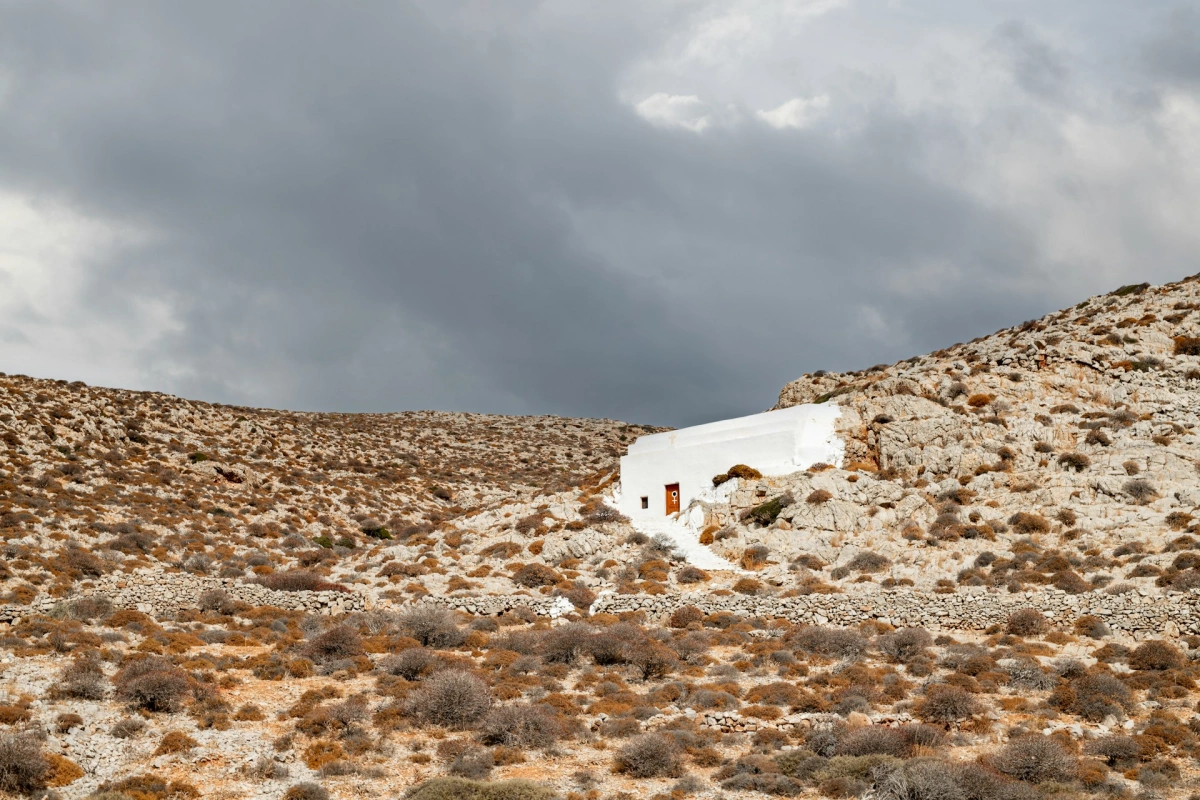
One of the island's most memorable experiences is the walk to the Church of Panagia, perched high above Chora. The winding path climbs steadily towards the church, rewarding visitors with spectacular views across the island and surrounding Aegean Sea. The changing colours of the landscape are particularly beautiful in the late afternoon.
Folegandros is not an island of endless sandy beaches. Its coastline is rugged, with secluded coves and clear waters that often require a little effort to reach. Agali is among the most accessible beaches, while others are reached by walking trails or small boats during suitable weather.
Evenings are wonderfully atmospheric. Rather than large beach clubs or busy nightlife venues, visitors gather in Chora's squares for long dinners, local wine and conversation beneath the stars.
Accommodation is predominantly small-scale, with charming boutique hotels and intimate retreats around Chora and the surrounding countryside. Folegandros is especially appealing for couples who value privacy, beautiful scenery and the pleasure of discovering an island at a slower pace.
Kefalonia – Spectacular Scenery and Family Escapes
Kefalonia is one of the great natural beauties of the Ionian Islands. Its landscapes are wonderfully varied, with forested mountains, dramatic limestone cliffs, picturesque fishing villages and some of the most striking beaches in Greece.
The island became internationally famous through Captain Corelli's Mandolin, but its appeal extends far beyond its literary connections. This is a destination for exploring, with winding coastal roads revealing breathtaking viewpoints, hidden coves and traditional villages where life moves at a reassuringly gentle pace.
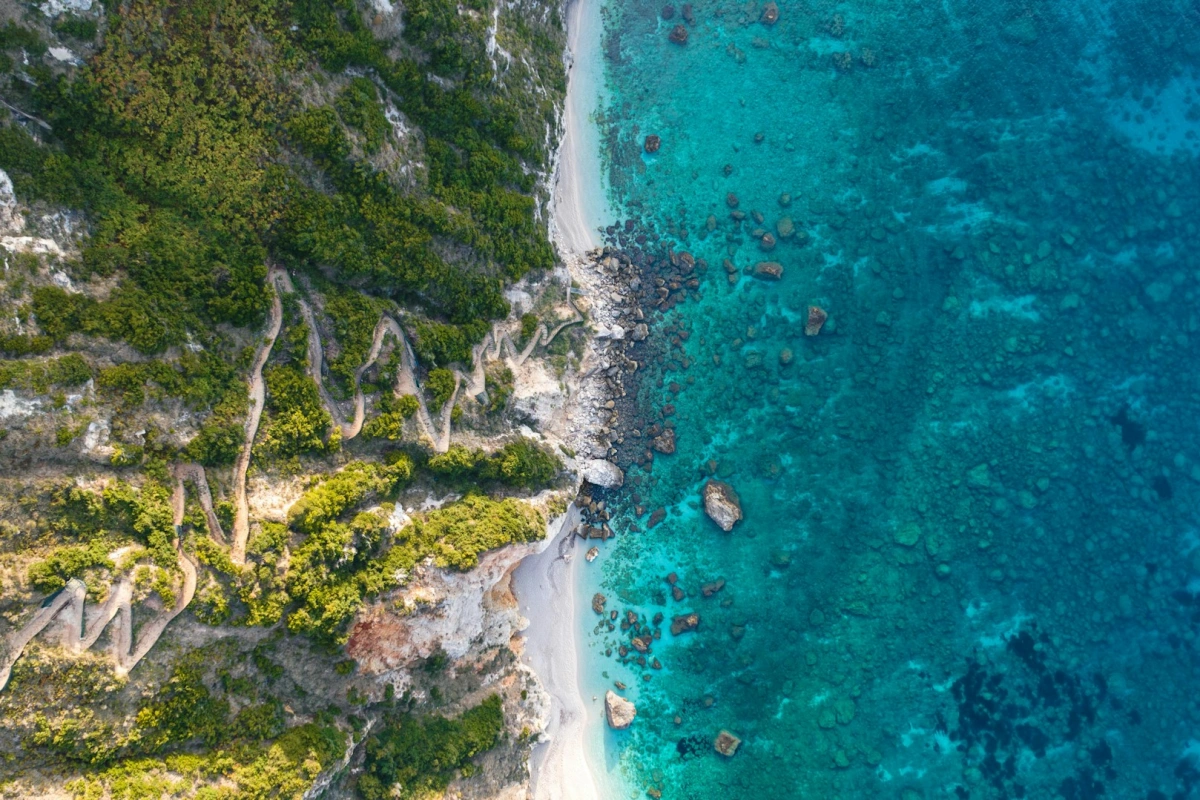
Myrtos Beach is the island's most celebrated landmark, a spectacular sweep of pale pebbles beneath towering cliffs and impossibly blue water. Elsewhere, Antisamos offers a beautiful setting surrounded by green hills, while the beaches around Skala and Lourdas are popular with families.
In the north, Fiskardo is one of Kefalonia's loveliest villages. Colourful Venetian-style houses surround a picturesque harbour filled with sailing boats, waterfront restaurants and elegant cafés. Nearby Assos is equally enchanting, with pastel-coloured houses gathered around a sheltered bay beneath a wooded peninsula.
Inland, Mount Ainos National Park provides opportunities for walking and enjoying the island's remarkable mountain scenery. The Melissani Cave, with its underground lake illuminated by sunlight, is another memorable natural attraction.
Kefalonia also has a distinctive food and wine culture. Robola wine is produced in the island's vineyards, while traditional tavernas serve local meat pies, fresh seafood and generous home-cooked dishes.
Families often favour Skala, Lourdas and the southern coastline for their beaches and comfortable resorts. Couples may prefer the character of Fiskardo or Assos, while travellers seeking privacy will find beautiful villas scattered across the countryside. Kefalonia is particularly rewarding with a hire car, allowing you to discover its many different corners at your own pace.
Kos – Ancient History and Beautiful Beaches
Kos has sometimes been overlooked by travellers seeking a more sophisticated Greek island experience, but there is far more to this Dodecanese destination than its long-established reputation for summer nightlife.
The island combines sandy beaches, fascinating archaeological sites, traditional villages and a growing selection of stylish hotels. Its relatively flat landscape also makes it particularly enjoyable to explore by bicycle, with dedicated routes connecting parts of the coastline and Kos Town.
History is everywhere. Kos is traditionally associated with Hippocrates, the ancient Greek physician, and the island's archaeological heritage includes the impressive Asklepion, an ancient healing sanctuary overlooking the surrounding countryside.
Within Kos Town, visitors can explore Roman ruins, historic squares and the remains of medieval fortifications before settling into one of the many restaurants and cafés around the harbour.
Beyond the capital, the island becomes quieter and more rural. Traditional villages such as Zia offer beautiful views and a taste of local life, while the countryside is dotted with olive groves and small agricultural communities.
The beaches are another major attraction. Tigaki and Marmari are known for their long sandy shores, while Kefalos Bay offers clear waters and beautiful coastal scenery. Therma Beach is particularly unusual, with naturally warm mineral waters emerging close to the shoreline.
Kos now offers accommodation ranging from large beachfront resorts to intimate adults-only retreats and contemporary boutique hotels. The northern coast is especially appealing for relaxed beach holidays, while Kos Town suits visitors who enjoy restaurants, history and exploring on foot.
For couples, families and travellers who appreciate a balance of comfort and discovery, Kos deserves considerably more attention than it sometimes receives.
Santorini – Romance Above the Caldera
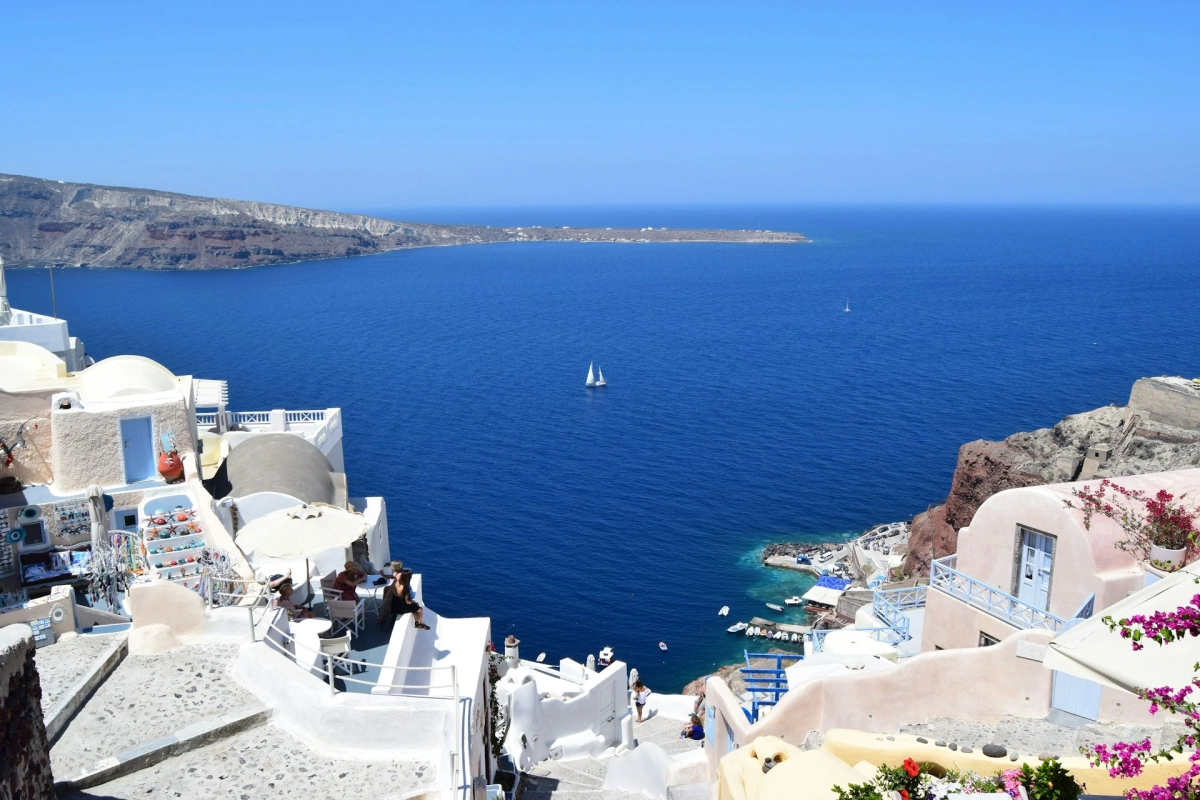
Few destinations in the world possess a landscape as instantly recognisable as Santorini. Its whitewashed villages cling to the edge of a vast volcanic caldera, overlooking the deep blue Aegean and creating views that have become synonymous with Greek island romance.
Santorini is undeniably popular, particularly during the height of summer, but its extraordinary setting continues to justify its reputation. There is something unforgettable about standing above the caldera as the afternoon light softens, watching boats move across the water far below.
Oia is the island's most photographed village, famous for its blue-domed churches, narrow streets and beautiful sunsets. Its collection of luxurious cave suites and intimate boutique hotels makes it especially appealing for honeymooners and couples celebrating a special occasion.
Imerovigli offers similarly spectacular views with a generally quieter atmosphere, while Fira provides a livelier selection of restaurants, shops and bars. The walking route between Fira and Oia is one of the island's great experiences, following the caldera rim through some of Santorini's most dramatic scenery.
Beyond these celebrated villages, Santorini has another side worth discovering. Megalochori and Pyrgos retain a more traditional atmosphere, with beautiful architecture, peaceful squares and local tavernas. The island's vineyards are also fascinating, with vines traditionally trained close to the ground to protect them from strong winds.
Its volcanic history is equally remarkable. The archaeological site of Akrotiri preserves the remains of an ancient Bronze Age settlement, while the beaches around Perissa and Kamari are distinguished by their dark volcanic sand.
For a romantic escape, a caldera-facing hotel in Oia or Imerovigli is difficult to surpass. Private terraces, plunge pools and uninterrupted sea views are among the defining pleasures of staying here. Travellers seeking better value or easier beach access may prefer the eastern coastline.
Santorini may not be the quietest Greek island, but for sheer drama and romance, it remains one of the Mediterranean's most extraordinary destinations.
Mykonos – Glamour, Beaches and Hidden Corners
Mykonos has built an international reputation for glamorous beach clubs, beautiful hotels and a nightlife scene that attracts visitors from around the world. Yet beyond its fashionable image lies an island of traditional villages, secluded beaches and landscapes that remain surprisingly peaceful.
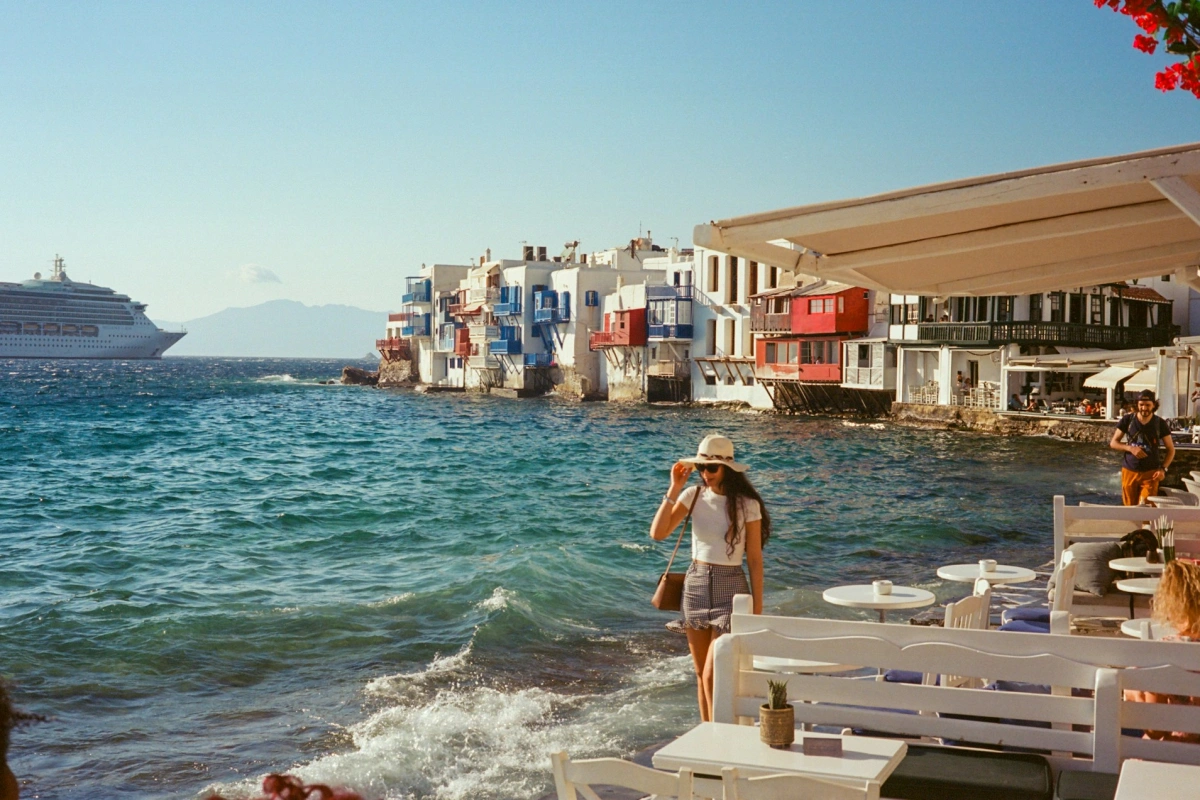
Mykonos Town, also known as Chora, is one of the most enchanting settlements in the Cyclades. Its maze of whitewashed lanes, tiny chapels and colourful balconies creates a beautiful setting for exploring, while the waterfront district of Little Venice is especially atmospheric as the sun begins to set.
During the summer, the town comes alive with restaurants, cocktail bars and fashionable boutiques. The famous windmills overlook the waterfront, while hidden courtyards and quiet passageways offer occasional moments of calm away from the crowds.
Along the southern coastline, beaches such as Psarou, Platis Gialos and Paraga combine beautiful water with a lively social scene. This is where many of the island's best-known beach clubs can be found, offering everything from long lunches beside the sea to internationally recognised music events.
For a different experience, head north. Beaches such as Agios Sostis, Fokos and Merchia reveal a quieter Mykonos, where the coastline is more rugged and the atmosphere considerably less polished. Traditional tavernas and secluded coves provide a welcome contrast to the island's glamorous southern resorts.
Accommodation is one of Mykonos's great strengths. The island offers an exceptional collection of luxurious hotels, private villas and intimate boutique retreats. Mykonos Town is ideal for nightlife and dining, while Ornos and Platis Gialos provide convenient beachside bases. More secluded hotels along the eastern and northern coasts appeal to visitors seeking privacy.
Although Mykonos is particularly popular with couples and groups of friends, it can also work beautifully for families who choose the right location. Away from the busiest beach clubs, the island offers comfortable resorts, sheltered swimming spots and plenty of opportunities to enjoy a quieter holiday.
Tinos – Traditional Villages and Exceptional Food
Just a short ferry journey from Mykonos, Tinos offers a remarkably different experience. While its famous neighbour attracts an international summer crowd, Tinos remains deeply connected to its traditions, religious heritage and rural way of life.
The island is known for its extraordinary collection of villages, many tucked into the hillsides among terraced fields, stone walls and traditional dovecotes. Exploring these settlements is one of the great pleasures of visiting Tinos, with each revealing its own architecture, crafts and local character.
Pyrgos is particularly beautiful, a village celebrated for its marble craftsmanship. Decorative stonework appears throughout the streets, from elegant doorways and fountains to intricate details on buildings. The village has a strong artistic tradition, reflected in its workshops and galleries.
Volax offers an altogether different landscape. Surrounded by enormous rounded granite boulders, the village feels almost otherworldly. Its traditional basket-weaving heritage remains an important part of local identity, while the surrounding scenery makes it one of the most unusual places in the Cyclades.
Tinos is also becoming increasingly appreciated for its food. Traditional tavernas celebrate local cheeses, vegetables, wild herbs and seasonal produce, while a growing number of creative restaurants are bringing fresh interpretations to familiar island dishes.
Along the coast, small fishing villages and quiet beaches provide opportunities to relax between exploring the countryside. Panormos is particularly charming, with waterfront tavernas and a traditional harbour atmosphere.
The island's spiritual importance is centred on the Church of Panagia Evangelistria, one of Greece's most significant pilgrimage destinations. Religious celebrations bring large numbers of visitors, particularly in August, while much of the rest of the island remains relatively peaceful.
Tinos is best suited to independent travellers, food lovers and couples who enjoy exploring traditional Greece. Accommodation includes intimate guesthouses, beautifully restored village properties and a growing collection of stylish private villas.
Kythnos – A Quiet Cycladic Escape
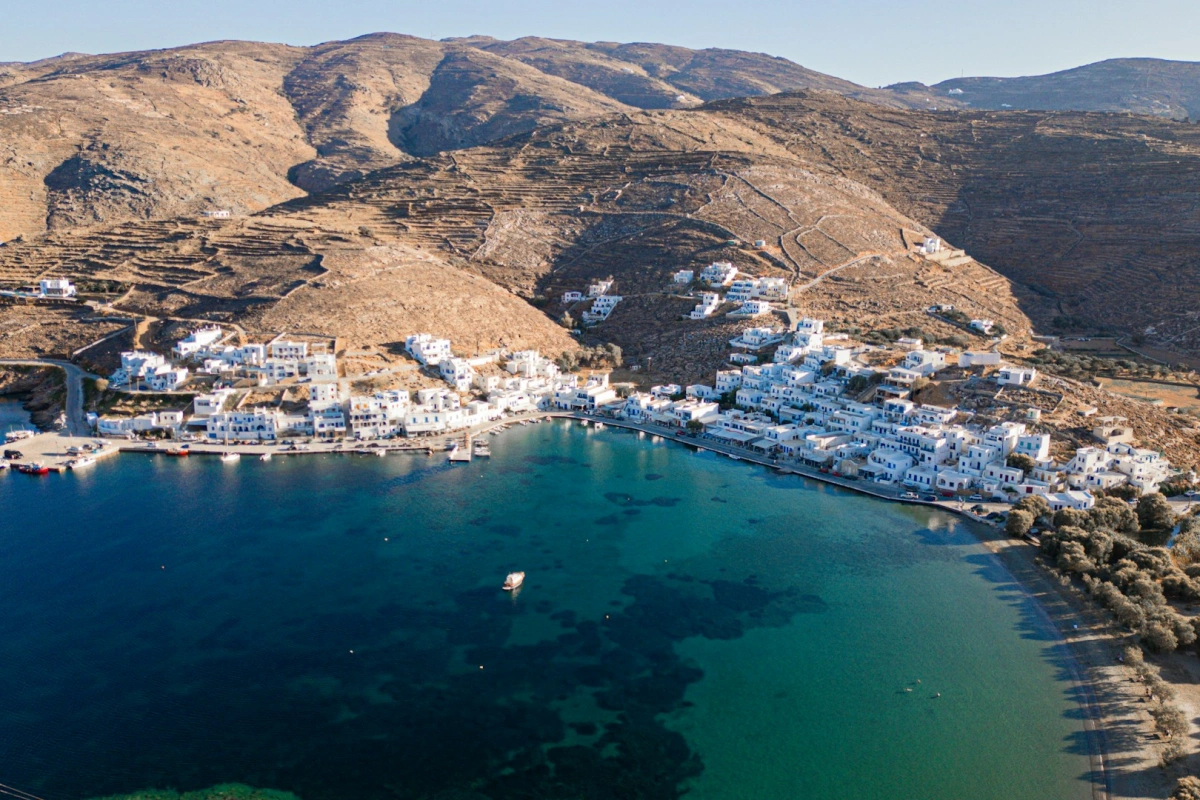
Kythnos remains one of the Cyclades' more understated destinations, despite being relatively accessible from mainland Greece. Its appeal lies in the absence of major resort developments, the beauty of its coastline and the wonderfully relaxed atmosphere that accompanies an island still largely visited by Greeks.
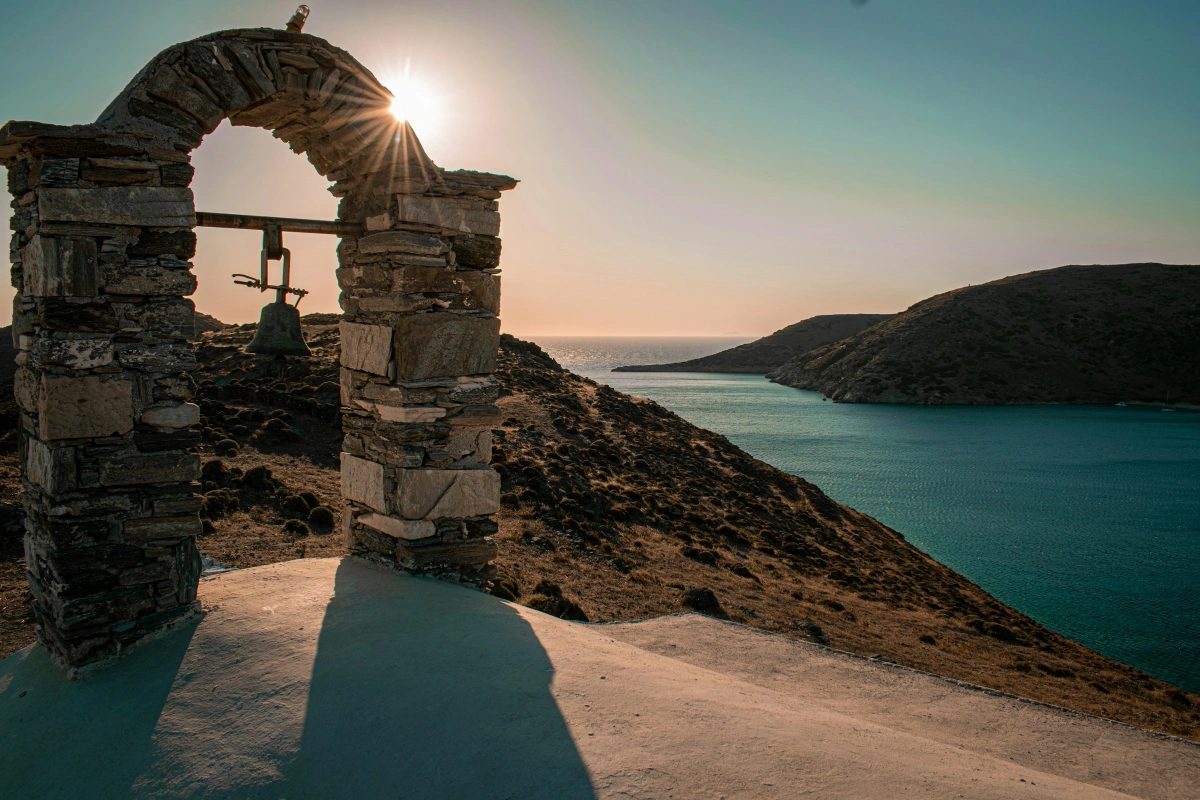
The landscape is characterised by rolling hills, dry stone walls, traditional settlements and a coastline scattered with small beaches. There are few elaborate attractions, but that's precisely what makes Kythnos so appealing. Days revolve around swimming, exploring and enjoying long meals in welcoming tavernas.
Chora, also known as Messaria, is a delightful collection of whitewashed houses and narrow streets, with small cafés and restaurants that become particularly atmospheric in the evening. Dryopida, another beautiful village, is distinguished by its tiled roofs and traditional architecture.
The island's most famous beach is Kolona, a remarkable narrow strip of sand connecting Kythnos to a small islet. With sea on both sides, it is one of the most unusual coastal settings in Greece and a wonderful place to spend an afternoon.
Elsewhere, Apokrousi offers a broad sandy bay, while the coastal settlement of Loutra is known for its natural thermal springs. Smaller beaches scattered around the island provide plenty of opportunities to escape the summer crowds.
Dining is refreshingly uncomplicated. Traditional tavernas serve fresh fish, local cheeses and familiar Greek dishes, often accompanied by beautiful views and the gentle pace of village life.
Accommodation is predominantly small-scale, with traditional guesthouses, private villas and a modest selection of boutique retreats. Kythnos is ideal for couples and travellers who value peace, simplicity and an authentic Cycladic atmosphere over nightlife and elaborate resort facilities.
Crete – The Island That Has Everything
Crete is unlike any other Greek island. Its enormous size, remarkable landscapes and rich cultural heritage make it a destination that could easily fill several separate holidays. From dramatic mountain ranges and historic cities to beautiful beaches and luxurious coastal resorts, Crete offers an extraordinary variety of experiences.
For families, this diversity is particularly appealing. There are long sandy beaches, sheltered bays, comfortable resorts and countless opportunities for exploring. Couples will find romantic boutique hotels and beautiful coastal retreats, while adventurous travellers can discover mountain villages, walking trails and landscapes far removed from the familiar holiday resorts.
Chania, on the northwest coast, is one of Crete's most beautiful towns. Its Venetian harbour, historic lighthouse and atmospheric old quarter create a wonderful setting for wandering, shopping and dining. The surrounding region is equally rewarding, with beautiful beaches, olive groves and traditional villages.
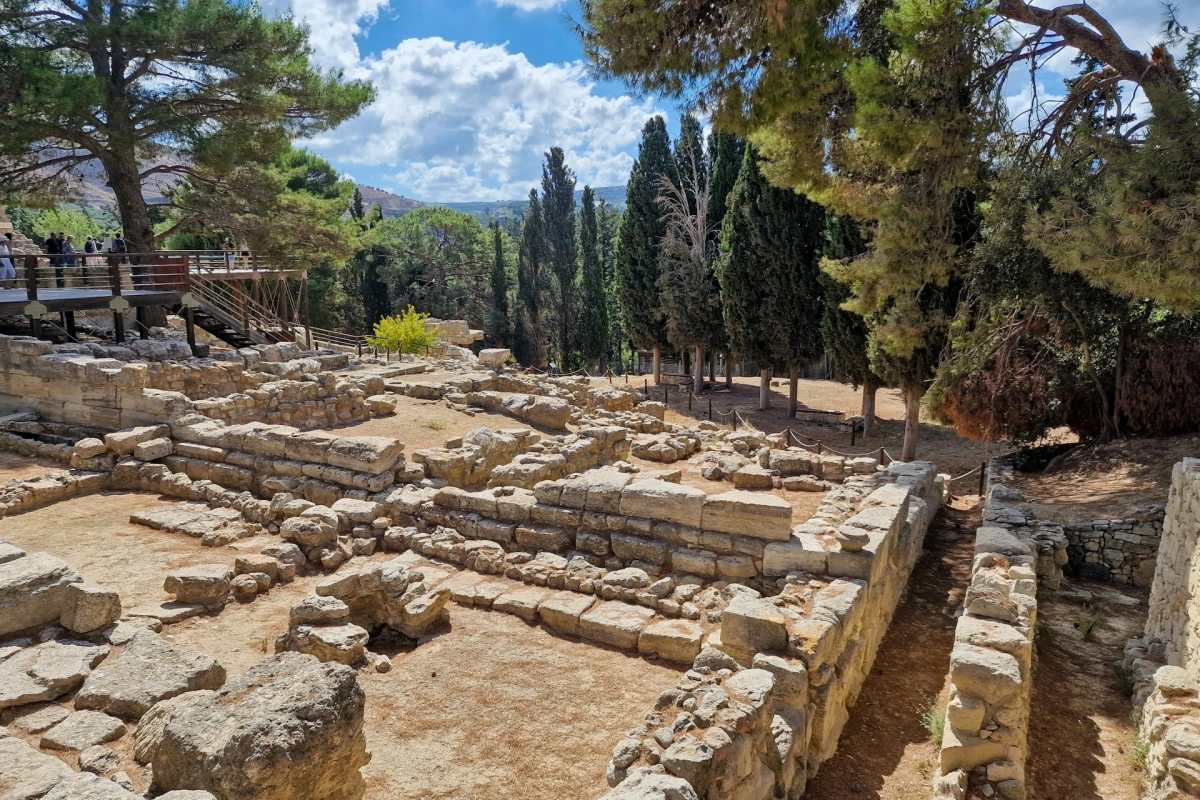
Further east, Rethymno combines an attractive historic centre with a long stretch of beach, while Heraklion offers fascinating museums and easy access to the ancient Palace of Knossos, one of the most important archaeological sites associated with Minoan civilisation.
The eastern coastline is home to some of Crete's most luxurious hotels, particularly around Elounda and Agios Nikolaos. Here, beautiful resorts overlook the Gulf of Mirabello, offering private beaches, excellent restaurants and a wonderfully relaxed atmosphere.
Crete's natural scenery is equally impressive. The White Mountains dominate the west, while the Samaria Gorge provides one of Greece's most celebrated walking experiences. Along the southern coastline, smaller villages and secluded beaches reveal a quieter side of the island.
Food is another compelling reason to visit. Cretan cuisine celebrates olive oil, seasonal vegetables, wild greens, local cheeses and beautifully prepared meat and seafood. Traditional dishes such as dakos, kalitsounia and slow-cooked lamb reflect the island's strong agricultural heritage.
Where to stay depends on the kind of holiday you have in mind. Chania and Rethymno are ideal for visitors who enjoy history, restaurants and exploring, while Elounda is particularly appealing for luxury coastal escapes. Families often favour the north coast for its beaches and resort facilities, while the south offers a more peaceful experience.
For travellers struggling to agree on a single Greek island, Crete may be the answer. Few destinations combine such a remarkable variety of scenery, culture, food and accommodation.
Finding Your Own Greek Island
There is no single best Greek island, and that's part of what makes Greece such a rewarding destination. The romance of Santorini is entirely different from the understated charm of Sifnos, just as the lively beaches of Mykonos offer a different experience from the peaceful villages of Tinos or the dramatic landscapes of Kefalonia.
For couples seeking beautiful surroundings and intimate hotels, Santorini, Sifnos and Folegandros are particularly appealing. Families will find plenty to enjoy on Crete, Kefalonia and Kos, while Paros offers an attractive balance of beaches, restaurants and traditional island life.
Travellers drawn to culture and architecture should consider Syros, while food lovers will find much to appreciate on Sifnos, Tinos and Crete. For those who simply want to slow down and enjoy somewhere less familiar, Kythnos and Folegandros offer a wonderful sense of escape.
It's also worth remembering that the time of year can transform an island. May, June and September often provide a particularly enjoyable balance of warm weather and quieter surroundings, while July and August bring the liveliest atmosphere to the more popular destinations.
Ultimately, the most memorable Greek island holidays aren't necessarily spent in the most famous places. They're the ones where the setting, the accommodation and the pace of life feel exactly right. And with so many beautiful islands to discover, there's always a good reason to return.