Journal | Inspiration
The Best Time to Visit Greece
Greece is a destination for every season, from sun-filled summers on the islands to quiet spring mornings in Athens and autumn walks through mountain villages.
Published:
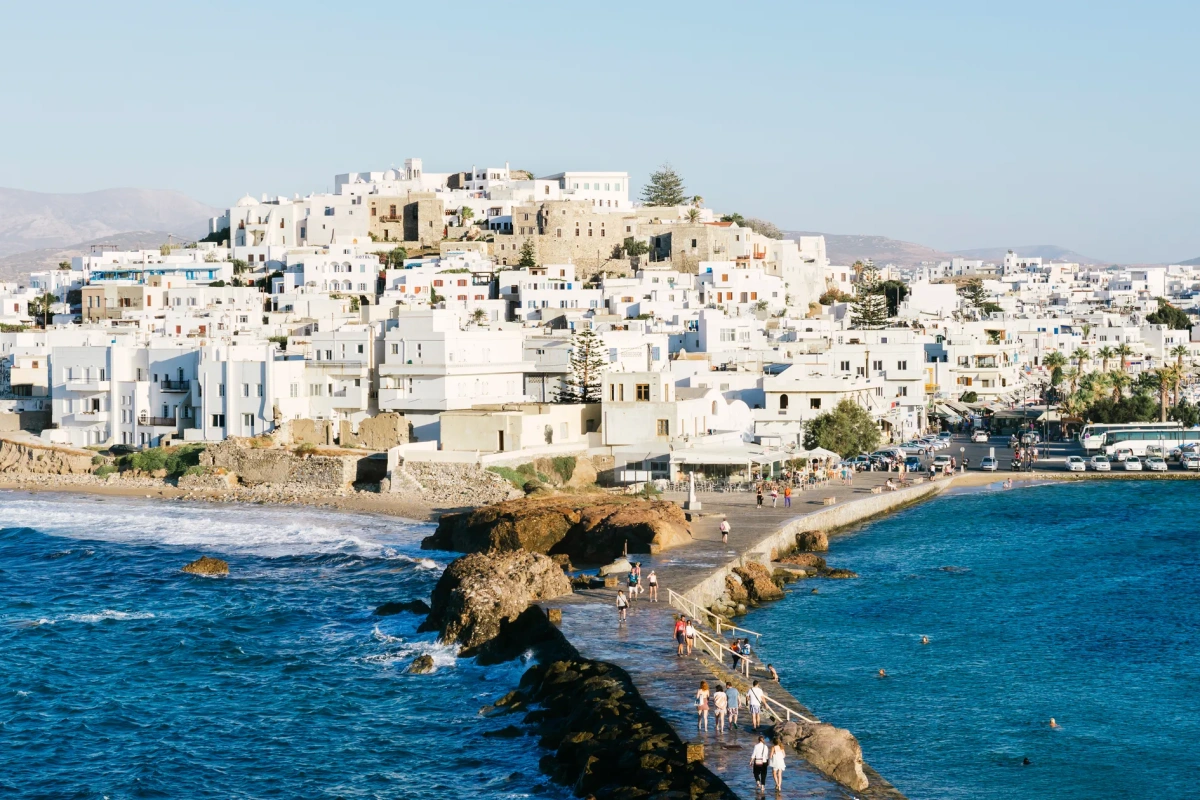
While its beaches and beautiful coastlines attract visitors from around the world, there is much more to discover beyond the sea. Ancient cities, traditional villages, vineyards and dramatic mountain landscapes offer entirely different experiences throughout the year.
Choosing when to visit depends on the kind of holiday you have in mind. For long days by the water, summer is hard to beat. For exploring historic sites, discovering local traditions or travelling between islands without the busiest crowds, spring and autumn can be particularly rewarding.
The Best Month to Visit
September is arguably the loveliest month to visit Greece, particularly for a holiday combining Athens with the islands. The sea remains beautifully warm after the summer months, the weather is generally sunny and the atmosphere begins to feel more relaxed as the peak holiday season draws to a close.
Across the Cyclades, including Santorini, Mykonos, Paros and Naxos, restaurants and hotels remain open, while ferry connections continue to operate regularly. Popular destinations can still be lively, but the experience is often more comfortable than during July and August.
Late May and June are equally appealing, especially for those who enjoy warm weather without the intense heat of midsummer. Spring flowers bring colour to the countryside, outdoor dining becomes a daily pleasure and the islands begin to settle into their summer rhythm. The sea may still be a little cool in May, although temperatures generally become more inviting as June progresses.
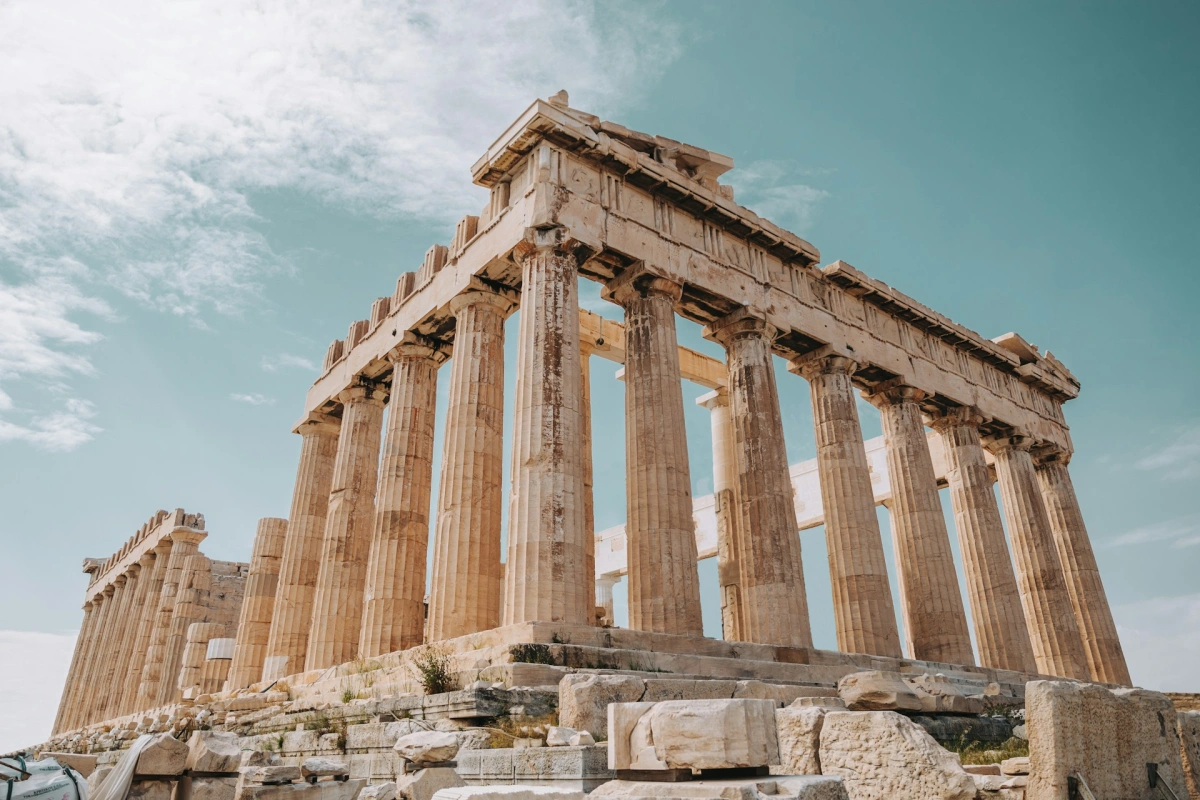
April and May are excellent for sightseeing. Athens, Delphi, Olympia and the ancient theatre of Epidaurus are particularly enjoyable before the hottest weather arrives.
For a later holiday, October can still be wonderful, especially in Crete, Rhodes and the southern mainland. However, smaller islands begin winding down towards the end of the month, making it worth checking hotel opening dates and ferry connections.
The Cheapest Time to Visit
The most affordable time to visit Greece is generally between November and March, outside the Christmas and New Year period. Hotel prices are often considerably lower, particularly in Athens, Thessaloniki and other destinations that welcome visitors throughout the year.
Winter offers a different side of Greek life. Museums and archaeological attractions remain open, neighbourhood restaurants are filled with locals and the pace of everyday life is noticeably slower.
Many seasonal island hotels and resorts close during winter, so destinations with established year-round communities are usually a better choice.
For travellers hoping to enjoy the islands while keeping costs down, May, late September and early October often provide a particularly attractive balance of pleasant weather and better-value accommodation.
Easter in Greece
Greek Orthodox Easter is one of the country's most important celebrations and a wonderful opportunity to experience its traditions.
During Holy Week, villages and towns come together for candlelit services, processions and family gatherings. On Good Friday, flower-covered representations of Christ's tomb are carried through the streets. At midnight on Holy Saturday, church bells ring, candles illuminate the darkness and celebrations begin with the greeting Christos Anesti, meaning Christ is risen.
Corfu is particularly famous for its Easter traditions. The island's historic brass bands accompany religious processions, while on Holy Saturday residents throw large clay pots from balconies in Corfu Town.
On Patmos, religious ceremonies take place around the Monastery of St John, while Leonidio in the Peloponnese celebrates the Resurrection with illuminated paper lanterns rising into the night sky.
Easter dates vary each year and often differ from Western Easter. Accommodation in destinations known for their celebrations can fill quickly, so early planning is advisable.
When Is Peak Season?
July and August are the busiest months for Greek tourism. The islands are at their liveliest, beach clubs and waterfront restaurants are in full swing and the weather is typically hot and sunny.
These months also bring the highest accommodation prices, particularly in sought-after destinations such as Mykonos, Santorini and the most popular parts of Crete.
The broader summer season now stretches from June into September, with many luxury hotels remaining busy well beyond the traditional school holiday period.
August 15 is another important date in the Greek calendar. The Feast of the Dormition of the Virgin Mary brings families back to their home villages and attracts pilgrims to religious destinations such as Tinos.
Ferries can become exceptionally busy around this holiday, even on routes that are normally relatively quiet. Booking accommodation and transport well in advance is recommended.
How Many Days Do You Need?
A week is a good starting point for a first holiday in Greece, although ten to fourteen days allows for a more leisurely experience.
With seven nights, you could spend two or three days exploring Athens before continuing to an island such as Paros, Naxos, Santorini or Crete.
For those with more time, combining two neighbouring islands offers a lovely balance of variety and relaxation. Paros and Antiparos work particularly well together, while Corfu and Paxos make an appealing pairing in the Ionian Sea.
It is worth remembering that travelling between islands takes time. Ferry schedules, transfers and hotel check-in arrangements can easily occupy much of a day, so spending at least three nights in each destination usually makes for a more enjoyable holiday.
A longer stay also opens up the possibility of exploring mainland Greece, from the ancient sites of the Peloponnese to the mountain villages of Epirus.
Best Greek Destinations
The beauty of Greece lies in its variety. Each island group and mainland region has its own character, landscape and traditions.
Crete
Greece's largest island offers an extraordinary combination of beaches, historic towns, mountain scenery and exceptional local food.
Chania, with its Venetian harbour and atmospheric old streets, makes a wonderful base for exploring western Crete. Heraklion provides access to the ancient Palace of Knossos and the island's rich Minoan history.
Inland, traditional villages, olive groves and mountain tavernas reveal a quieter side of the island. Crete is particularly appealing in May, June, September and October, when the weather is comfortable for both exploring and spending time by the sea.
Cyclades Islands
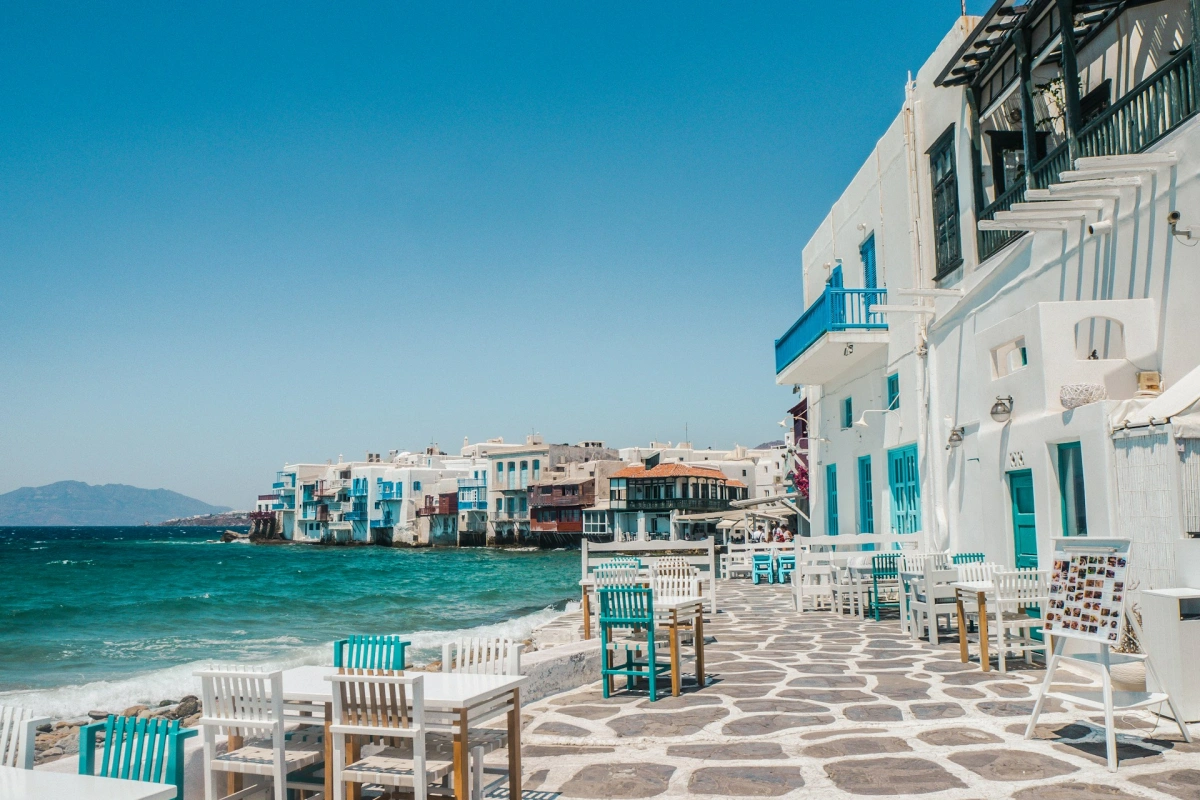
The Cyclades are perhaps the most recognisable image of Greece, with whitewashed villages, blue-domed churches and beautiful Aegean views.
Santorini is celebrated for its dramatic volcanic landscape and extraordinary sunsets, while Mykonos combines beautiful beaches with a lively dining and nightlife scene.
Paros offers charming villages and an appealing balance of sophistication and traditional island life. Nearby Antiparos feels smaller and more understated, while Naxos is known for its long sandy beaches, fertile countryside and mountain villages.
June and September are particularly lovely months to explore these islands, with warm weather and plenty of opportunities to enjoy the outdoors.
Ionian Islands
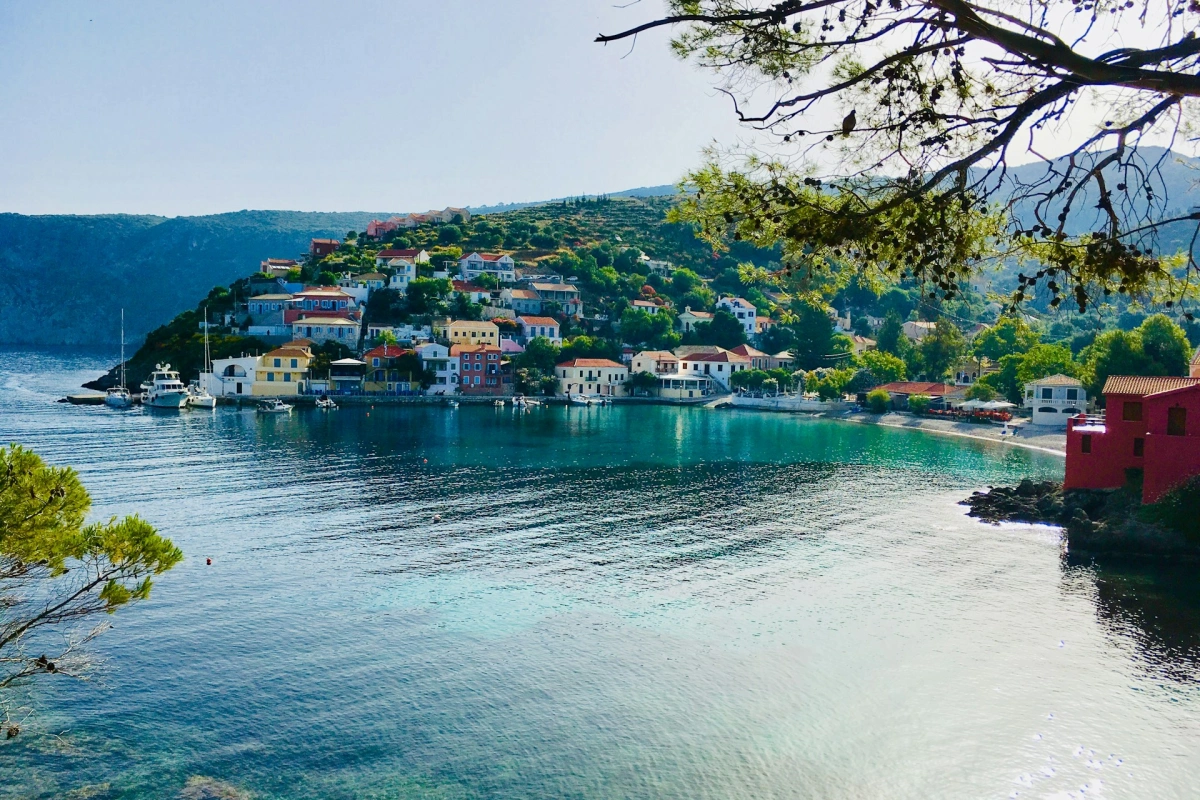
Off Greece's western coast, the Ionian Islands have a distinctly different character, with lush green landscapes, Venetian architecture and sheltered turquoise bays.
Corfu combines an elegant historic town with traditional villages, olive-covered hills and beautiful beaches. Its old town is a pleasure to explore, particularly in spring and early autumn.
Kefalonia is known for its dramatic scenery, picturesque harbours and spectacular coastline, while neighbouring Ithaca offers a peaceful atmosphere and a strong sense of traditional island life.
Paxos, with its tiny harbours and clear waters, is especially appealing for those looking for a quieter escape.
Peloponnese
The Peloponnese is one of Greece's most rewarding regions for a road trip, particularly during spring and autumn.
The elegant seaside town of Nafplio makes an excellent starting point, with the ancient sites of Mycenae and Epidaurus within easy reach.
Further south, the Mani Peninsula is characterised by rugged landscapes, traditional stone towers and secluded coastal villages.
Inland, the mountains of Arcadia offer walking trails, historic monasteries and beautiful forest scenery. The Menalon Trail connects a series of traditional villages, including Stemnitsa and Dimitsana, through some of the region's most striking landscapes.
Mountains of Northern Greece
For those looking beyond the islands, northern Greece offers an entirely different experience.
Zagori, in the Epirus region, is renowned for its traditional stone villages, arched bridges and dramatic mountain scenery. The Vikos Gorge and surrounding forests are particularly beautiful in autumn, when the leaves begin to change colour.
Villages such as Aristi and Papigo provide welcoming bases for walking, exploring and enjoying the region's distinctive food.
Further east, Thessaloniki makes a lively starting point for discovering the vineyards of Macedonia. Around Naoussa, wineries produce excellent red wines from the indigenous Xinomavro grape.
Autumn is an especially rewarding time to visit, with the grape harvest bringing activity to the vineyards and cooler weather making countryside excursions more comfortable.
Greece in Winter
Absolutely. Although Greece is best known as a summer destination, winter reveals a side of the country that many visitors never experience.
Athens and Thessaloniki remain lively throughout the year, with excellent restaurants, galleries, museums and cultural attractions.
In the mountains, villages such as Arachova, near Mount Parnassos, become popular winter retreats. Traditional guesthouses, cosy tavernas and nearby ski areas offer a very different kind of Greek holiday.
Arcadia, in the central Peloponnese, is another beautiful winter destination, with fir forests, mountain villages and opportunities for walking when conditions permit.
Snowfall varies from year to year, so anyone planning a skiing holiday should check conditions before travelling.
So, When Should You Visit?
For most travellers, May, June and September offer the best overall combination of weather, atmosphere and choice.
July and August are ideal for those who love the energy of summer, while April and October are wonderful for exploring historic sites, discovering the countryside and enjoying a more relaxed pace.
Winter brings its own pleasures, particularly in Athens, Thessaloniki and the mountainous mainland.
Ultimately, there is no single perfect time to visit Greece. Whether you are dreaming of long afternoons beside the Aegean, wandering through ancient ruins or discovering a quiet mountain village, there is always somewhere in Greece worth exploring.